Let's talk about Stuff Your Kindle Days. You know the drill. A date rolls around and readers turn into digital doomsday preppers, downloading hundreds of free books at breakneck speed like the apocalypse is coming and the only currency left is spicy indie romance.
Every time one hits, the timeline detonates. Screenshots of massive hauls. Author graphics everywhere. Websites crashing. Group chats turning into "did you grab this one yet" chaos. For a few hours it feels like the whole book community lost its mind in the best possible way.
So are these things even worth it? Worth actually sitting with, not just brushing off.
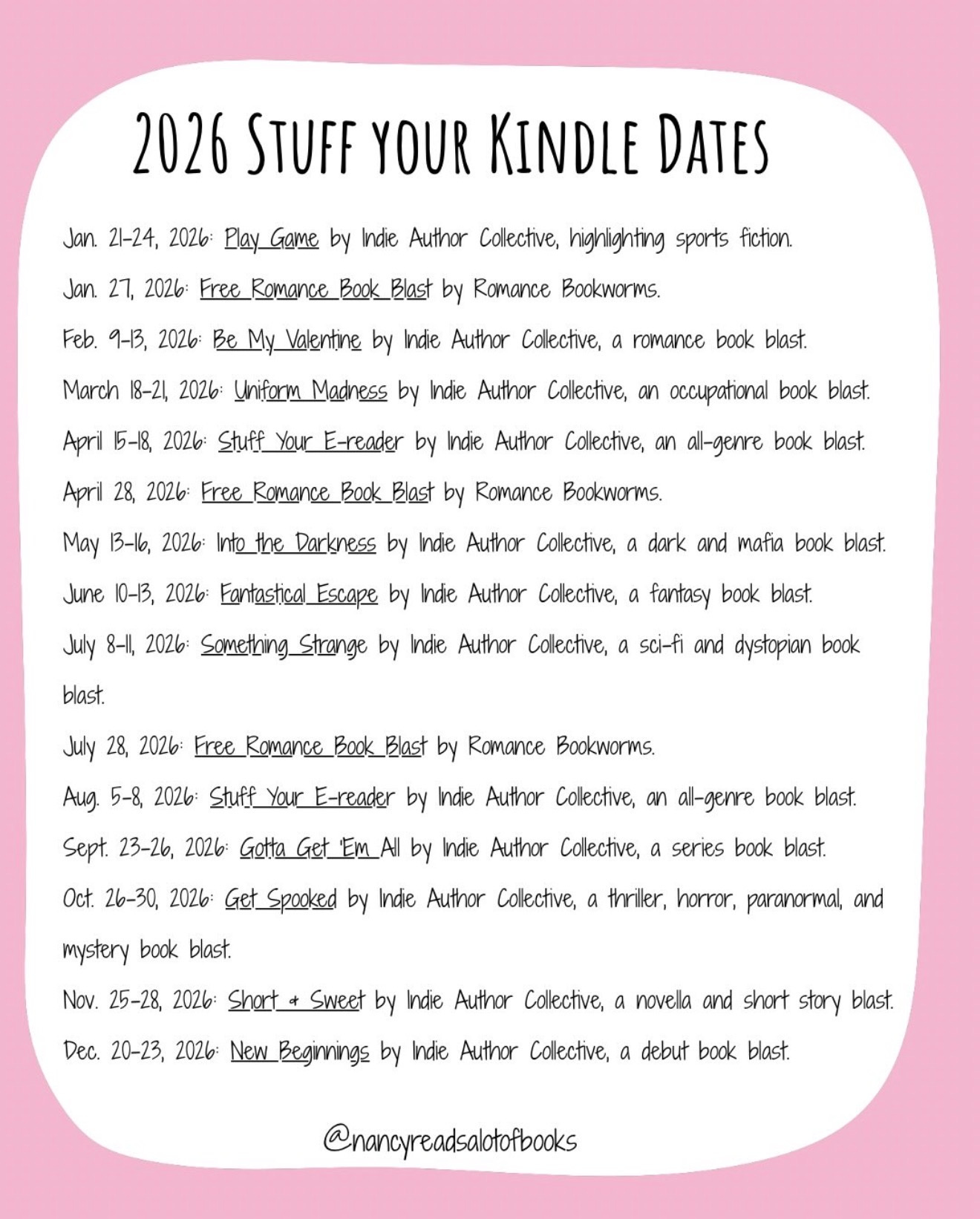
If it feels like Stuff Your Kindle Days are happening constantly now, you're not imagining it. There are multiple themed events across the year, everything from genre-specific blasts to all-genre promos run by indie author collectives.
Seeing the whole calendar laid out shifts something. What used to feel rare and exciting is now a cycle. And a cycle cuts both ways. Readers get more chances than ever to find indie authors for free. But the constant stream also feeds the urgency, because when the next event is always right around the corner, you stop curating and start grabbing everything before it disappears. And when everything is a limited-time drop, nothing feels special anymore.
The Reader High, and the Reality Check
The appeal is obvious. Free books, a lot of them, right now. It feels like winning a lottery you never bought a ticket for. No risk, all reward. You try new authors, sample genres you'd never pay for, and build a library that makes you feel ready for any reading slump.
But be honest. How many of those actually get read? Most people download way more than they'll ever finish. The Kindle turns into a graveyard of good intentions, titles buried under newer downloads and whatever BookTok crowned this week.
And that's not really the reader's fault. The whole format rewards volume over intention. The message was never "find your next favorite." It's "grab it all before it's gone." That turns discovery into hoarding without you noticing.
Do These Actually Help Authors?
This is where it gets complicated, because the answer is yes and also not really.
Free promos can absolutely help, especially indie authors. They boost visibility, bump rankings for a bit, and bring in readers who'd never have found you otherwise. Some of those readers turn into real fans.
But visibility isn't the same as staying power. When thousands of books are free at once, you're not standing out, you're shouting in a room where everyone is shouting. Downloads spike, reads and reviews often don't follow. And readers treat free books differently, we all know a book we paid for sits higher on the mental priority list than one we grabbed at midnight for nothing. So yes, it helps. It just doesn't help everyone equally, and it doesn't reliably turn into anything lasting.
Are We Just Encouraging Overconsumption?
This is the spicy one, so I'll say it plainly. These events reward hoarding.
The community celebrates the number. "I grabbed 300 books" becomes a flex. Haul posts get the engagement. And reading quietly shifts from connection to collection. There's nothing wrong with a big TBR, readers have always built those. But a physical TBR has limits, weight, shelf space, a visual reminder that maybe you already own enough to last three lifetimes. Digital removes all of that. So you end up overwhelmed by choice and chasing more of it at the same time. And once reading starts feeling like a chore instead of a joy, something's gone sideways.
Why Is It Always the Same Books?
If you've done more than one of these, you've seen the pattern. The same titles, over and over.
That happens because the system rewards authors who already know how to work it. Established indies know how to line up sales, join the big promo groups, and optimize their visibility. Newer or smaller authors often can't even find the right networks to get included. So the same books dominate every event while countless others stay invisible. It's not some deliberate gatekeeping conspiracy. It's just how algorithms and promo structures naturally pile attention onto whatever already has it.
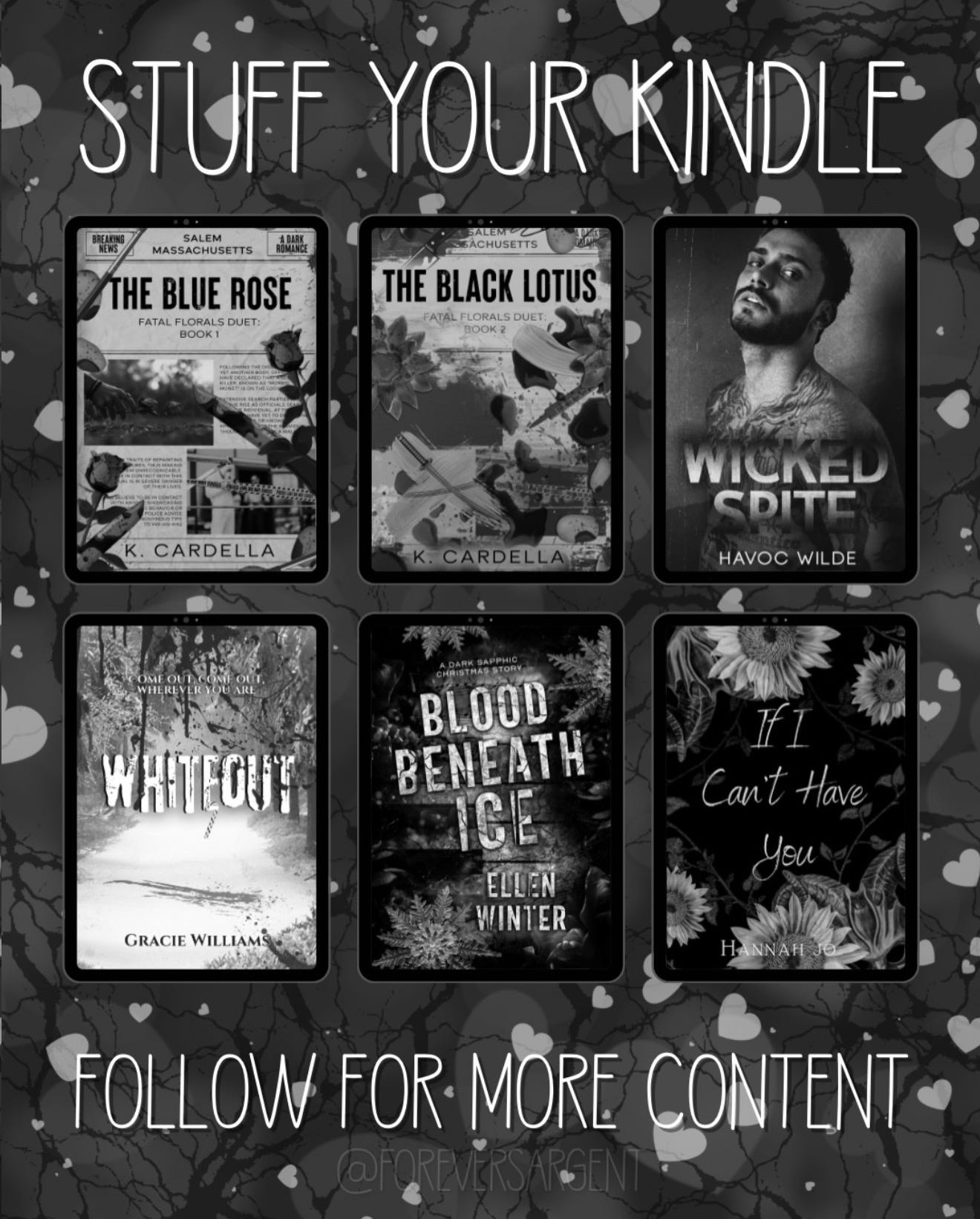
Honestly, the graphics tell the story on their own. Scroll enough of them and you'll start clocking the same covers across different events, the same authors circulating through different lists, the visual landscape staying weirdly familiar even as the genre changes.
Some authors are just genuinely strategic, and there's nothing wrong with that. But it does say something about discoverability. When readers lean this heavily on curated graphics, visibility flows to authors who already have the marketing networks. The events get sold as massive discovery opportunities, and then quietly reinforce the books that were already circulating.
The Broken Links, Missing Covers, and General Chaos
Let's name the other frustration. Why are these websites so hard to use? Missing covers. Endless walls of text. Links that break depending on your country. Confusing categories. Events scattered across platforms like an Easter egg hunt nobody agreed to.
A lot of that is because these events are community-run, not professionally built. Indie authors and volunteers throw the sites together fast with limited resources, and international link compatibility is genuinely hard when Amazon storefronts differ by region. I get it. But from the reader's side it feels needlessly messy, and when browsing is a pain, people default to whatever's easiest to click, which pushes visibility right back toward the same known titles.
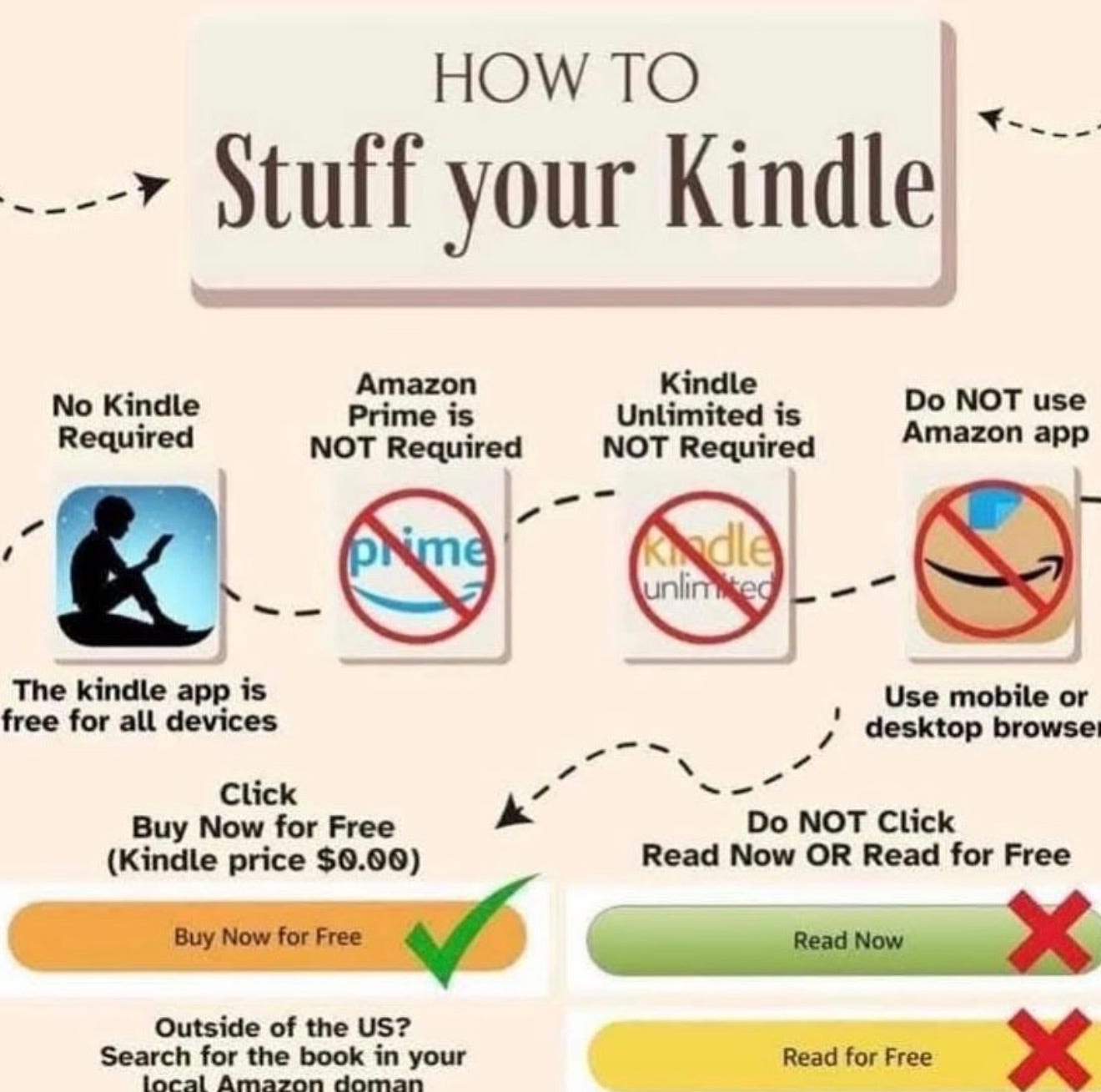
Even the participation instructions show how complicated this has quietly gotten. Avoid this app, use that storefront, manually search titles depending on your country. When a free book needs a step-by-step tutorial, that tells you something. International readers feel this the most, because a link that's free in one region might not even show up discounted in another. For newcomers, the learning curve alone is a barrier, which is deeply ironic for an event that's supposed to be about access.
Why the Indie Ones Are So Hard to Find
There's a frustrating twist to all this. The most exciting events are often the hardest to discover. The big promotions dominate search and the algorithm. The smaller indie lists live in niche Facebook groups, newsletters, and author networks a casual reader will never stumble into. So plenty of readers think they've seen everything when they've barely scratched the surface. There's a whole underground layer of indie promo that runs on insider knowledge, and that barrier quietly limits discovery for readers and authors both.
So, Worth It or Not?
Both. They're fun. They bring energy back into the community, they help some authors reach new people, and they let readers experiment with zero financial risk. And they also feed overconsumption and overwhelm, don't guarantee an author anything lasting, and keep spotlighting the same titles on repeat.
Maybe the fix is just approaching them differently. Instead of downloading everything, pick five books you're genuinely excited about. Make discovery intentional instead of frantic. Let the flex stop being how many you grabbed and start being which stories actually stayed with you.
Because a library full of books you'll never open was never the goal. The real win isn't the download count. It's the handful of stories that linger long after the last page and quietly change you a little.