Disclosure: As an Amazon Associate I earn from qualifying purchases. This post contains affiliate links, which means I may earn a small commission if you buy through them, at no extra cost to you. I only recommend books and authors I genuinely believe in.
Every February, the book community collectively remembers that representation matters.
Feeds fill up with curated lists. Retail displays shift around. Readers share stacks meant to celebrate Black voices. The intention is real, and visibility genuinely does matter. But if you spend enough time in book spaces, you start noticing a pattern that gets harder to ignore every single year. The support is temporary.
Black authors and other POC creators get a wave of attention during specific moments, and then that same energy just doesn't carry into the rest of the year. The industry calls it celebration. A lot of us quietly recognize it as rotation.
Big Retail, Little Support
You can't talk about visibility without talking about retail. The big players like Barnes and Noble and Target shape what readers even see, what lands on the front table, and what quietly stays in the back. So when big retail only leans into diverse authors during certain months, that sends a message about who's a year-round priority and who's a seasonal feature. Readers pick up on that.
The Signals the Industry Sends
Publishing rarely states its priorities outright. It communicates through patterns instead. Who gets promoted again and again. Who shows up in the major event lineups. Which books get framed as universal versus niche.
Readers are sharp about these signals, even the subtle ones. When a celebration month makes a big show of diversity but the bigger industry moments don't reflect that same range, the gap is impossible to miss. It creates this quiet contradiction, where diversity gets praised in public while still being boxed off behind the scenes.
Readers Want More Than a Symbol
The book community is anything but passive. Readers compare notes, trade observations, and track patterns across platforms. Plenty of us genuinely want to support POC authors, but discovery depends on what actually gets put in front of us. When visibility comes and goes, it shapes reading habits whether anyone means for it to or not. What readers keep asking for is simple. Not louder promotion for one month. Just equal presence all year.
Authors You Should Be Reading Right Now
If you want to read incredible storytelling beyond the seasonal recommendation lists, these authors are doing work that deserves attention all year long.
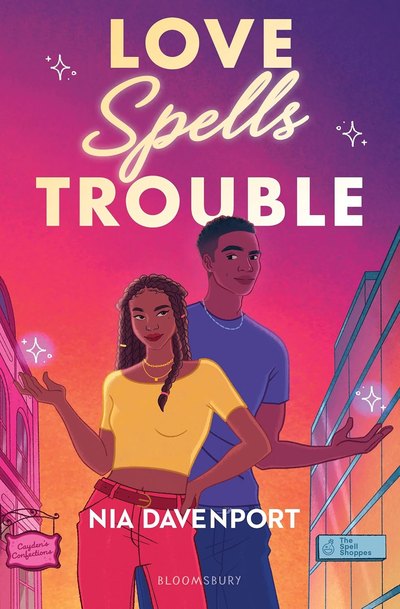
Nia Davenport
Love Spells Trouble
Nia Davenport writes the kind of fantasy romance where the world is huge but the characters are what keep you up reading. Her heroines are powerful without being untouchable, and she never picks action over heart. You get both.
Get it on Amazon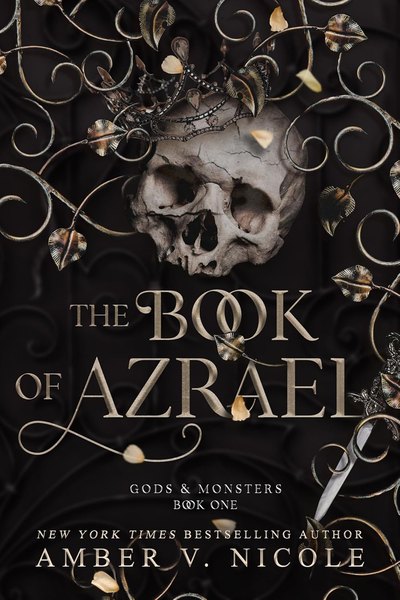
Amber V. Nicole
The Book of Azrael (Gods & Monsters, Book One)
If you like your fantasy romance dark and your characters morally gray, Amber V. Nicole is for you. The tension is unrelenting and the stakes are real, but it's the messy, powerful people underneath it all that make it stick.
Get it on Amazon
H. M. Wolfe
Daggermouth
H. M. Wolfe writes with a voice that feels genuinely her own, and her books have a way of nudging you just past your usual comfort zone in the best way. Community, identity, and the people usually left out of the story sit right at the center.
Get it on Amazon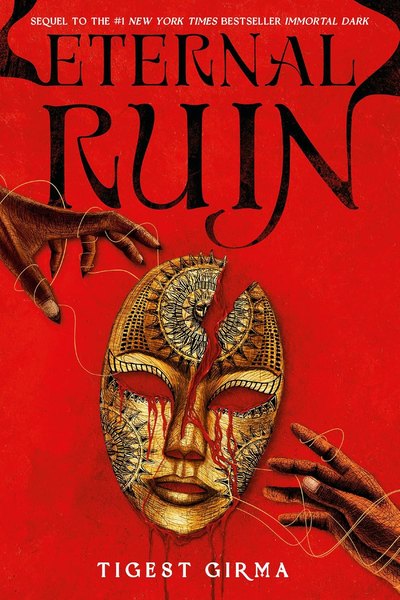
Tigest Girma
Eternal Ruin
Tigest Girma builds worlds you sink into and fills them with characters wrestling with power, belonging, and who they're allowed to be. It's high-stakes fantasy that never forgets to stay human.
Get it on Amazon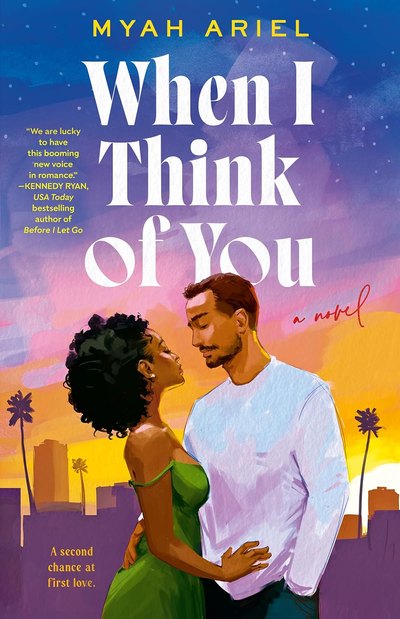
Myah Ariel
When I Think of You
Myah Ariel writes contemporary romance that feels modern and personal, the kind where the ambition and the complicated relationships hit as hard as the love story. Sharp, warm, and easy to fall into.
Get it on AmazonReal Support Is Quiet and Consistent
Supporting POC authors doesn't have to be loud to matter. Here's what actually moves the needle. Buy the book when it releases instead of waiting for a themed promotion. Recommend a story because it resonated, not because the calendar told you to. And keep the conversation going long after the spotlight moves on.
The goal was never seasonal enthusiasm. It's normalization. Because representation stops feeling performative the moment it becomes ordinary.