Disclosure: As an Amazon Associate I earn from qualifying purchases. This post contains affiliate links, which means I may earn a small commission if you buy through them, at no extra cost to you. I only recommend books and authors I genuinely believe in.
Every couple of years, publishing decides that women reading the wrong books is a crisis. This time it's romantasy's turn.
The latest version came in an article asking whether “fairy smut” is cheapening literature. The genre runs on “recycled tropes and feverish prose,” the writer says, and might be feeding the “dumbification of popular culture.” I read the whole thing waiting for an actual argument. It never showed up.
You can't shrink a genre down to a nickname you invented and call that criticism. “Fairy smut” isn't a critique. It's an eye-roll with a word count. And it tells me the person writing it hasn't read the books they're so sure are ruining everyone.
If your whole critique fits inside a snide nickname, you're not analyzing a genre. You're dismissing one.
Romantasy Was Never Just Spice
The entire piece rests on one assumption: that these books exist for the sex scenes and nothing else. That's the part that gives it away, because anyone who has actually read romantasy knows the spice is maybe a quarter of what's on the page.
Pull almost any romantasy off the shelf and here's what you're actually reading about. War. Political maneuvering and the people who get crushed by it. Characters making impossible, morally gray choices. Survival inside systems built to break them. Women who start with nothing and end up holding real power, and have to decide what to do with it.
The romance is there. So is the desire. But calling the whole genre “smut” because of it is like calling epic fantasy “sword stuff” or writing off sci-fi as “laser beams.” You're naming the one element you're comfortable mocking and pretending it's the whole book.
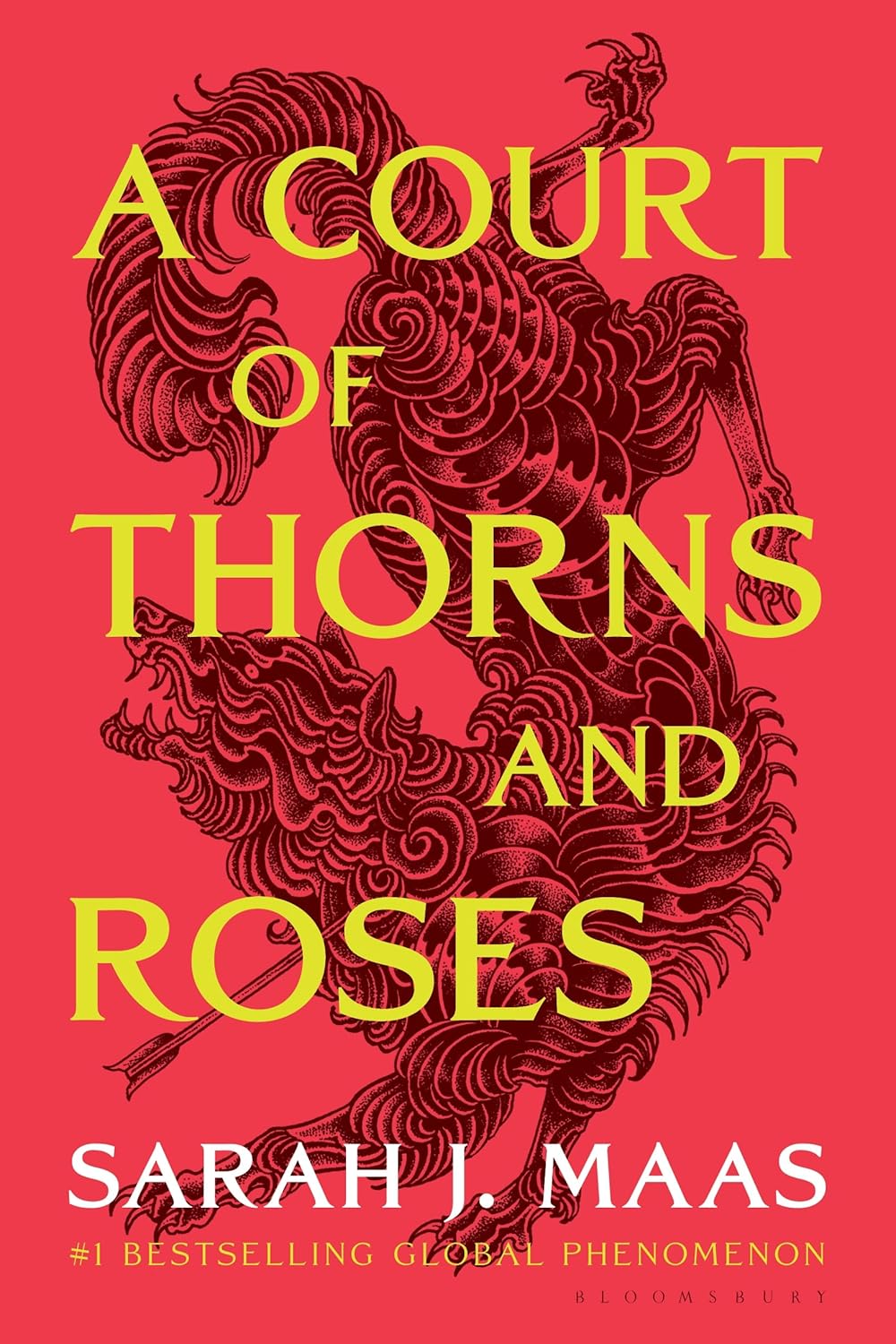
Take A Court of Thorns and Roses, since it gets dragged into every one of these debates. It opens on a girl trying to keep her family from starving to death. She gets pulled into a world of political games she doesn't understand yet, deadly trials, and open warfare, and she claws her way from prey to one of the most powerful figures in the story. You can like that or not. But calling it “fairy porn” isn't a read on the book. It's a confession that you skimmed it.
A Court of Thorns and Roses
by Sarah J. Maas
The romantasy everyone points to when they want to dismiss the genre, and one of the best arguments against them. War, survival, political manipulation, and a heroine who claws her way from starving huntress to something far more powerful.
Get it on AmazonEvery Genre Runs on Tropes. Only This One Gets Punished for It.
The article's other big swing is that romantasy leans on tropes and archetypes. Sure. So does everything else you've ever loved.
Epic fantasy has its chosen one. Thrillers have their ticking clock. Mysteries have the red herring. Action movies are so formulaic you can call every beat before the popcorn's gone. Nobody writes a thousand words worrying those genres are melting anyone's brain.
But romantasy gets treated like it's actually dangerous. And I think we all know why. It centers romance. It centers what women want. And women are the ones reading it. Say that part out loud and the whole “concern for literature” act falls apart.
A trope only becomes lazy when women are the ones enjoying it.
Reading for Joy Isn't a Character Flaw
Somewhere in the piece there's hand-wringing about readers picking “escapism” over serious literature, like enjoying yourself is a step down.
Escapism has been one of the whole points of storytelling since we started telling stories. Fantasy was never trying to photocopy real life. It builds a bigger, stranger world so it can look straight at trauma, power, grief, and identity in ways a realistic novel sometimes can't get near. The magic isn't the opposite of depth. It's the delivery system for it.
And I'll say it plainly: readers don't owe anyone a justification for what makes them feel something. Liking a book is not a lapse in judgment.
Let's Name the Misogyny, Because It's Right There
When someone calls these books “junk food” or “fairy smut,” they're not grading the prose. They're policing taste, and they've picked a very specific target.
Men have entire genres built on violence, revenge, and power fantasies that escalate to the moon, and those don't spark essays about cultural rot. No one frets that action movies are turning grown men shallow. But let women get loud about romance, desire, and feelings, and suddenly there's a think piece about the decline of the reading public. That's not an accident. That's the pattern.
The second women enjoy something out loud, it stops being entertainment and starts being a problem to solve.
Are Some Romantasy Books Formulaic? Obviously. So Is Everything.
Any genre that blows up starts churning out copies. Fast publishing makes trends, trends make repetition, and you end up with a mix of genuinely great books and forgettable ones. That's not a sign the culture is dying. That's just what a hot market looks like.
And literary fiction is not innocent here. It has its own recycled moves and its own aesthetic clichés. They're just dressed up nicely enough that nobody calls them formula.
What This Is Actually About
Romantasy isn't replacing literature. It's changing who gets to decide what counts, and that's the part that stings.
Readers are finding books through each other now instead of through a handful of gatekeepers. Communities form around what people love, not around what a critic blessed. Women are picking stories that put emotional payoff and female perspective at the center and refusing to apologize for it.
If you spent years as the person who decided what was serious, that shift feels like losing something. But feeling uncomfortable isn't the same as watching a culture collapse. Usually it just means the door got opened to people who were standing outside it.
So no, romantasy isn't dumbing anything down. It's pulling more people into bookstores, starting real conversations about story and power and grief, and building communities that genuinely care. The walls coming down were never protecting literature. They were just keeping people out.