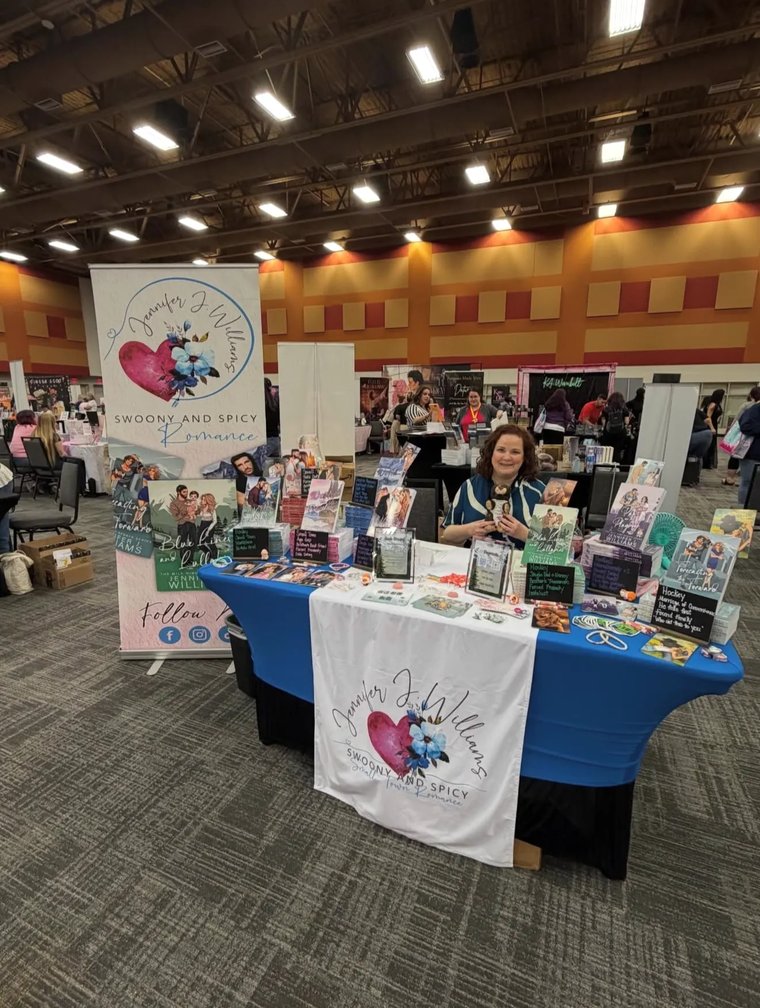
Book conventions used to feel like a celebration of readers. That was the whole idea, anyway. A place where people who loved stories could show up, meet authors, find new books, and feel part of something bigger than their own little reading corner.
Lately I keep circling the same thing. Are these events still built for everyday readers at all? Because when you look closely, accessibility isn't a small side issue anymore. It's becoming the whole issue.
Start with the obvious one, the cost. Tickets alone can be a real financial commitment, especially when access gets tiered in ways that quietly tell you who's getting the good experience. VIP badges, exclusive signing lines, early entry, private events. Suddenly it's less about showing up as a reader and more about how much you're able to spend to fully take part. And that's before travel, hotels, food, childcare, and the unspoken pressure to buy stacks of books while you're there. For a lot of readers, a convention has gone from an exciting maybe to something that just feels financially out of reach.
But money is only half of it. Time is the barrier that gets skipped over. Not everyone can take days off work or step away from family for a multi-day event. Stay-at-home parents, students, caregivers, anyone with a demanding schedule, they're often stuck watching from the sidelines while their feed fills up with highlight reels that make the whole thing look effortless.
And then there's the influencer factor. Social media changed conventions in ways that are genuinely exciting and also kind of uncomfortable. On one hand, online creators drive real buzz and visibility. On the other, conventions can start to feel less like reader gatherings and more like content hubs, where access and opportunity quietly orbit follower counts and industry connections.
It creates this strange thing where everyday readers can feel like background characters in a space that was supposedly built for them.
Conventions do create real magic, and that's exactly why this is hard to bring up. Authors meet readers they'd never otherwise reach. Friendships form. Communities grow. All of that is true. But being honest about the good parts shouldn't mean ignoring the growing gap between who gets to participate easily and who doesn't.
The part that gets me is that the heart of reading has always been access. Books are one of the most democratic art forms there is, you don't need a VIP pass to fall in love with a story. So when the spaces around books start to feel exclusive and status-driven, it's worth asking whether we're quietly losing something that mattered.
Conventions are starting to feel like luxury experiences instead of community ones, with pricing tiers and social hierarchies quietly pushing everyday readers out. Which leaves the uncomfortable question of who these events are actually for now.
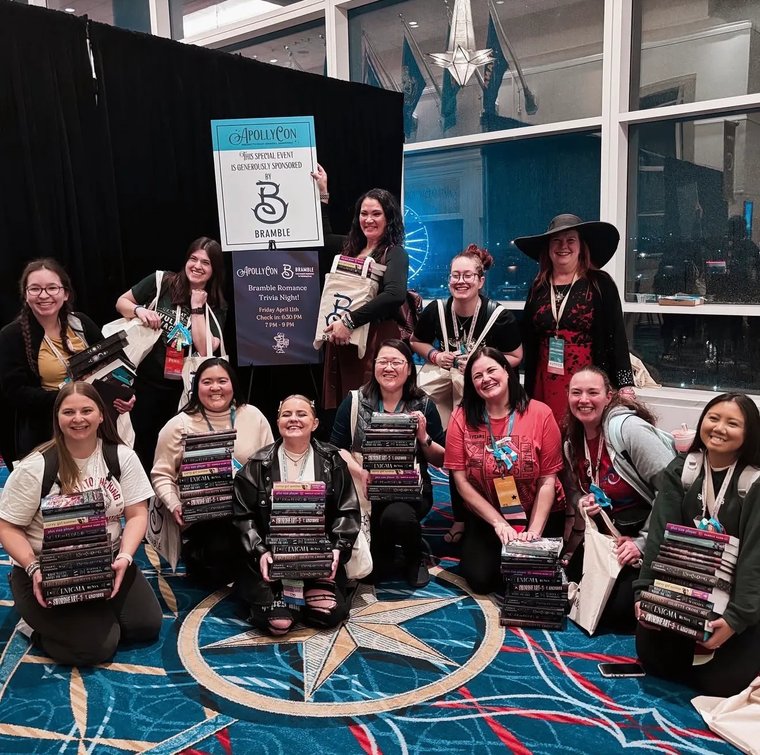
This isn't me blaming organizers or authors. It's me naming a shift a lot of readers feel and rarely say. Because when readers start feeling like spectators instead of participants, the whole culture around books changes, and that deserves some attention.
Maybe the real conversation isn't whether conventions should exist. It's how they can grow without leaving most readers behind.
So I want to hear from you. Have you ever wanted to go to a convention but felt priced out or shut out by how it's structured? Do these events feel more industry-and-influencer focused to you now? What would actually make them feel welcoming again? I want to know.